Systems that finally talk to each other
CRM, ERP, payments, logistics and the spreadsheet somebody maintains by hand — joined into one workflow with reconciliation and error handling, so failures surface loudly instead of silently corrupting data.

What you end up with
- Manual re-keying between systems removed
- Consistent records across CRM, ERP and internal tools
- Failures that alert someone instead of going unnoticed for weeks
- Migrations run with reconciliation, so you can prove nothing was lost
Systems integration & automation
Most operational pain is not missing software — it is software that does not talk. We map the real process, then build the integrations, reconciliation and error handling that make a workflow trustworthy from end to end.
 01
API & webhook integration
Third-party services, payment providers and partner APIs integrated with retries, idempotency and backoff so transient failures do not become data problems.
Legacy & enterprise system integration
Connecting systems that were never designed to be connected — older databases, on-premise software and vendor platforms with awkward interfaces.

Process automation
Multi-step operational workflows automated with clear ownership, audit trails and a defined path for the exceptions that always exist.
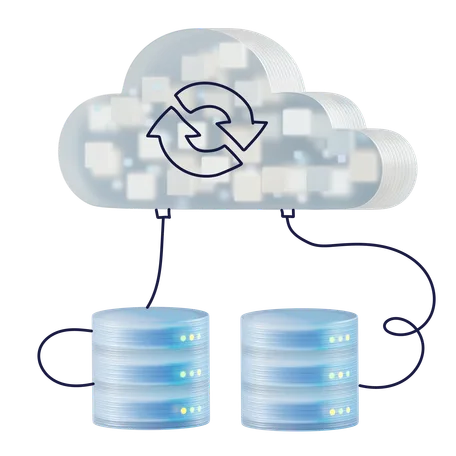
Data synchronisation & reconciliation
Two-way sync with conflict rules and reconciliation reporting, so you can demonstrate that two systems actually agree.
Migration tooling
Repeatable, dry-runnable migrations with validation and rollback, rather than a one-off script run at midnight and hoped over.
Tools we reach forChosen per problem, not per trend
- Python
- Node.js
- PostgreSQL
- Kafka
- Airflow
- REST & webhooks
Scoped for you, not picked from a price list
Every project is different, so we do not sell fixed packages. We learn what you need first, then propose the scope, timeline and price that fit, in writing, before any work starts.
From first message
to a written proposal
- 1You tell us what you need, by email, a short call or WhatsApp. An engineer reads it, not a sales team.
- 2We reply with clarifying questions and an honest read on fit. We do not take on every project, and we will say so if we are not the right team.
- 3If it looks like a fit, we talk through scope, requirements, deliverables, timing and budget expectations. Larger or uncertain projects may start with a scoped discovery phase.
- 4Where it makes sense, we send a written proposal with scope, timeline, price and terms. You decide whether to go ahead.
What shapes the scope and cost
- How many systems need connecting, and whether they have usable APIs
- How much data moves, and how often it has to sync
- How errors, duplicates and conflicts should be handled
- Whether legacy systems or manual exports are involved
- Monitoring, and who is alerted when something fails
Useful to have ready
- The tools involved (CRM, ERP, payments, spreadsheets) and who owns each one
- The manual steps you want to remove, and how often they happen
- Examples of where data goes wrong today
- Who can grant access to each system
None of this is required to get in touch. If you are not sure yet, that is what the first conversation is for.
Where we have done this
Our systems are old and poorly documented. Is that a problem?
It is the normal starting condition. We map actual behaviour from traffic and data rather than trusting documentation, which is usually where the surprises are found.